Service Corner: 5 Common Culprits of Poor Heat Transfer (and How to Fix Them)
In industrial food production, heat transfer efficiency isn’t just about speed, it’s about consistency and quality. When your cook times start creeping up or you notice uneven heating, the equipment is usually trying to tell you something. Our service team…
In industrial food production, heat transfer efficiency isn’t just about speed, it’s about consistency and quality. When your cook times start creeping up or you notice uneven heating, the equipment is usually trying to tell you something.
Our service team rounded up five common issues that silently kill heat transfer efficiency, along with tips on how to get your machine running at peak performance.
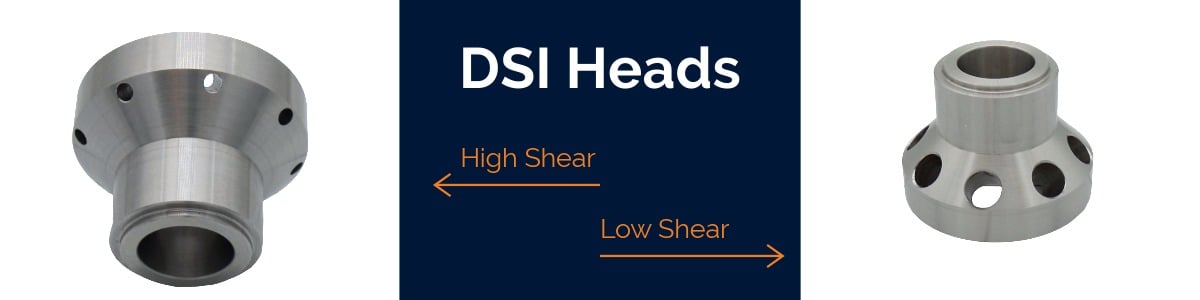
1. The Case of the Mixed-Up DSI Heads
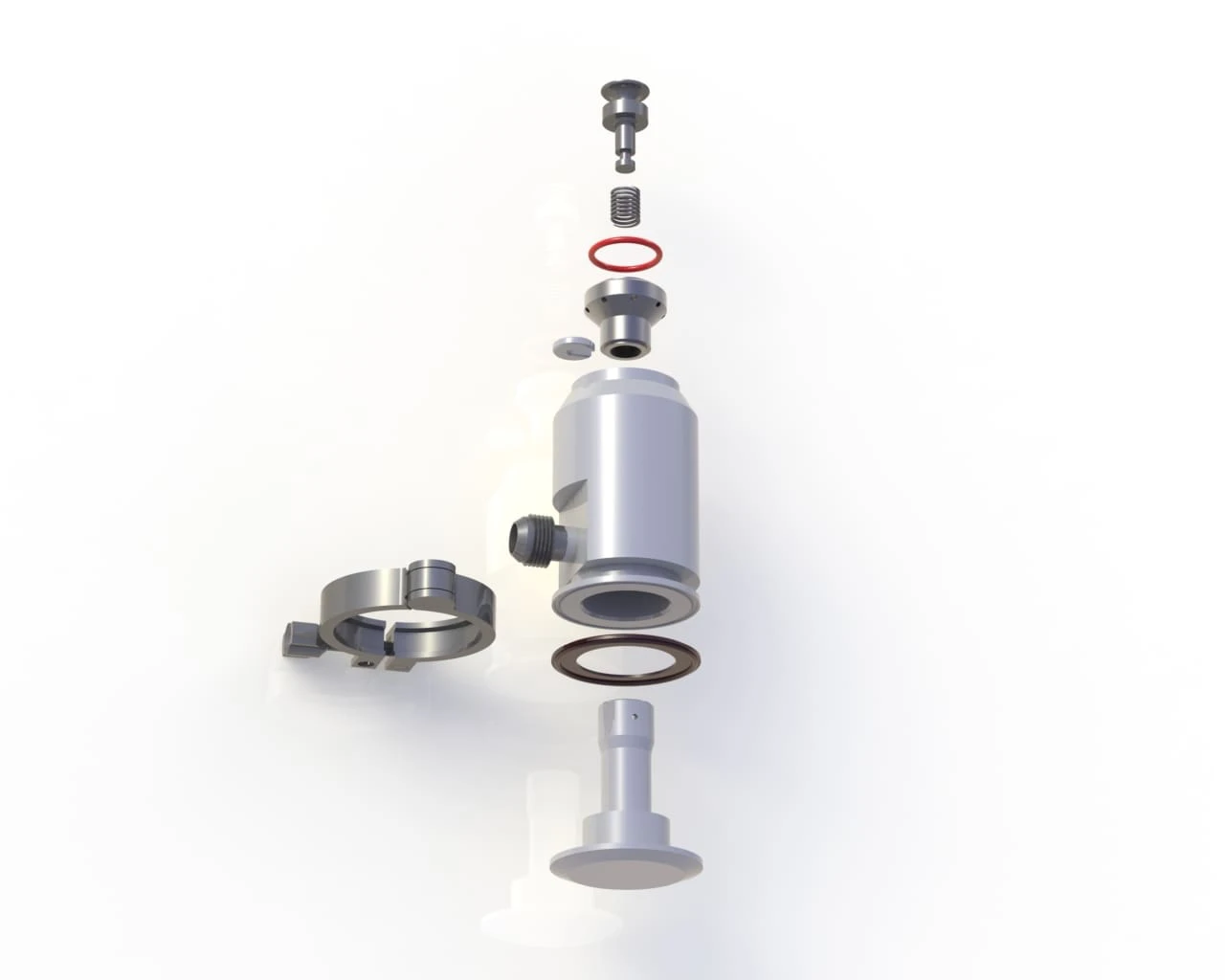
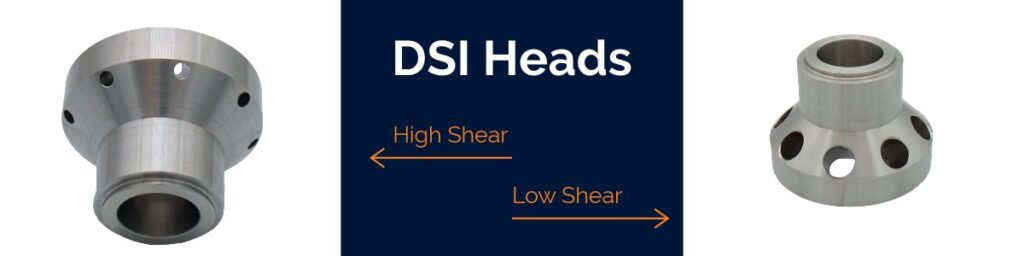
If you use Direct Steam Injection (DSI), pay close attention during reassembly after cleaning. We’ve seen cases where high-shear and low-shear DSI heads get swapped or mixed and matched inadvertently.
- The Issue: Mixing these heads disrupts the intended steam flow and shear rates.
- The Result: Uneven heating and inconsistent product texture.
- The Fix: Always verify your DSI head configuration matches the original P&ID or manual during assembly to ensure the steam is entering the product exactly how it was designed to.
2. Don’t Let Your Jacket “Flood”
Your steam jacket needs space for steam, not water. A common issue we see is jacket flooding, often caused by poor quality/”wet” steam or an inadequate condensate pump return or a blocked trap.
- The Issue: When condensate (water) isn’t evacuated quickly enough, it backs up and fills the jacket.
- The Result: Water transfers heat much less efficiently than steam. If your jacket is half-full of water, you have severely reduced your effective heat transfer surface area.
- The Fix: Check your steam traps and condensate return pumps regularly. Ensure the line is clear so the jacket stays full of hot steam, not warm water. Consult your steam provider for further solutions to enhance steam quality.
3. Scrapers: The First Line of Defense
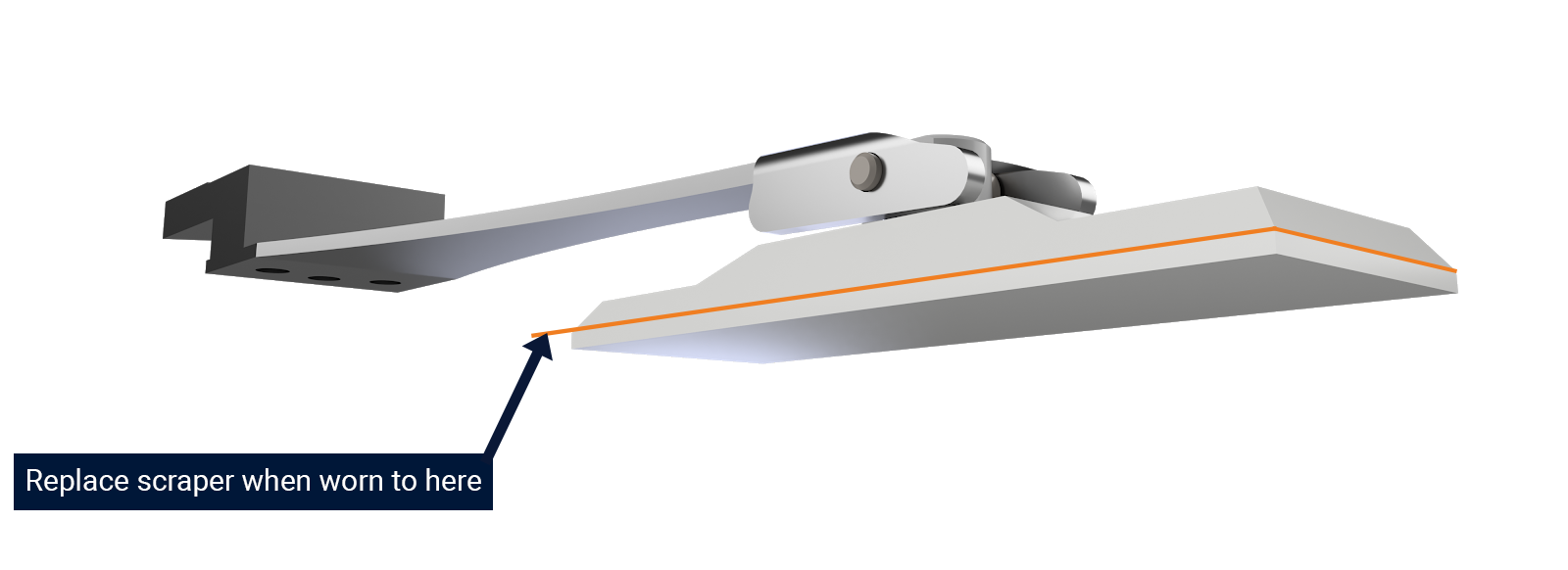
Scrapers do more than just mix; they keep the heat transfer surface clean.
- The Issue: Worn or poorly tensioned scrapers leave a thin film of product on the heated surface. This product can burn on, creating a layer of carbonized “insulation” between the steel and your fresh batch.
- The Result: This burn-on acts as a barrier, significantly slowing down heat transfer and potentially causing burnt flavors.
- The Fix: Inspect scraper blades frequently for wear and proper tension. A clean scrape means maximum heat exposure.
4. Know Your Jacket: Dimple vs. Stay Block
Not all steam jackets are created equal. Efficiency often comes down to the volume of steam available to the surface.
- The Insight: Very thin jackets, such as Dimple Jackets, hold a smaller volume of steam compared to Blentech’s Stay Block Jackets.
Dimple jackets can be an efficient and cost effective choice for smaller machines like the entry-level horizontal kettle, but lose efficiency as machines get larger - The Result: Less steam volume means less available energy at the wall, resulting in lower heat transfer rates.
- The Fix: While you can’t change your jacket type mid-cook, understanding this limitation is key for recipe scaling. If you are struggling with ramp times on a dimple-jacketed vessel, you may have reached the physical limit of that equipment’s energy capacity.
5. DSI vs. Jacket: Choose the Right Weapon
Finally, efficiency is often about choosing the right mode of heating for the product.
- The Insight: Many kettles offer both jacket and DSI capabilities, but the choice comes down to the recipe. Because DSI adds water (condensate), it must be evaluated on a case-by-case basis. However, if your formulation can accommodate that extra moisture, DSI is almost always the superior choice for heat transfer efficiency.
- The Result: DSI transfers 100% of the steam’s sensible and latent heat directly into the product, making it significantly faster and more efficient than waiting for heat to conduct through a steel wall.
- The Fix: Review your recipes. If you are jacket-heating a high-moisture product that could tolerate DSI, you are leaving efficiency on the table.
Need a Professional Opinion?
Sometimes the issue goes deeper than a swapped part or a simple adjustment. If you are struggling with heat transfer efficiency or just want to ensure your equipment is running at its absolute best, our team is here to help.
Whether you need remote troubleshooting, an on-site process assessment, or a scheduled maintenance visit, Blentech’s service experts can help you identify bottlenecks and maximize your uptime.