
Preventative Maintenance for Food Processing Equipment: Avoid Costly Downtime
Small Equipment Problems Cause Major Production Downtime In food processing, major failures are rare. Small ones, like a worn seal, a fatigued bearing, or a scraper that should have been replaced last quarter are part of ownership. Individually, they’re inexpensive….
Small Equipment Problems Cause Major Production Downtime
In food processing, major failures are rare. Small ones, like a worn seal, a fatigued bearing, or a scraper that should have been replaced last quarter are part of ownership. Individually, they’re inexpensive. Collectively, they’re the reason production stops.
Most unplanned downtime doesn’t come from catastrophic events. It comes from wear that went unchecked.
Why “It’s Still Running” Leads to Equipment Failure
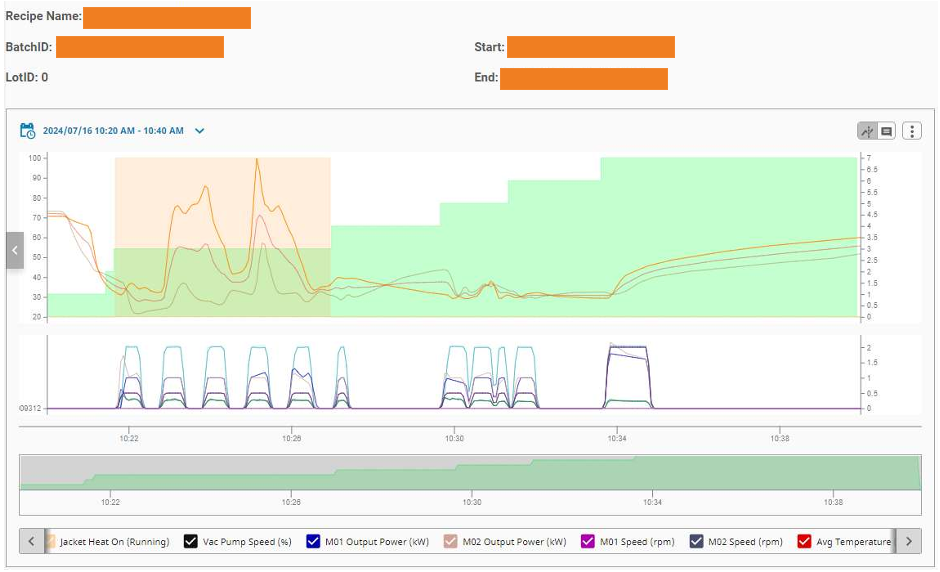
Equipment rarely fails without warning. Performance drifts first. Heat transfer drops slightly, cook times stretch, mixing becomes less uniform, or sensors fall out of calibration. Nothing triggers an alarm. But yield, efficiency, and consistency begin to move in the wrong direction.
By the time something breaks, the cost is already higher than the part itself. Preventative maintenance closes that gap.
What a Preventative Maintenance Program Should Include
A real preventative maintenance program isn’t reactive. It’s structured. It means evaluating the wear points that actually determine performance: seals, gaskets, bearings, agitation systems, steam components, instrumentation, and controls.
Each item is clearly categorized:
- Operating normally
- Requires follow-up
- Requires immediate attention
That clarity eliminates surprises. It turns “we should probably look at that” into a documented plan.
Spare Parts Planning Prevents Production Delays
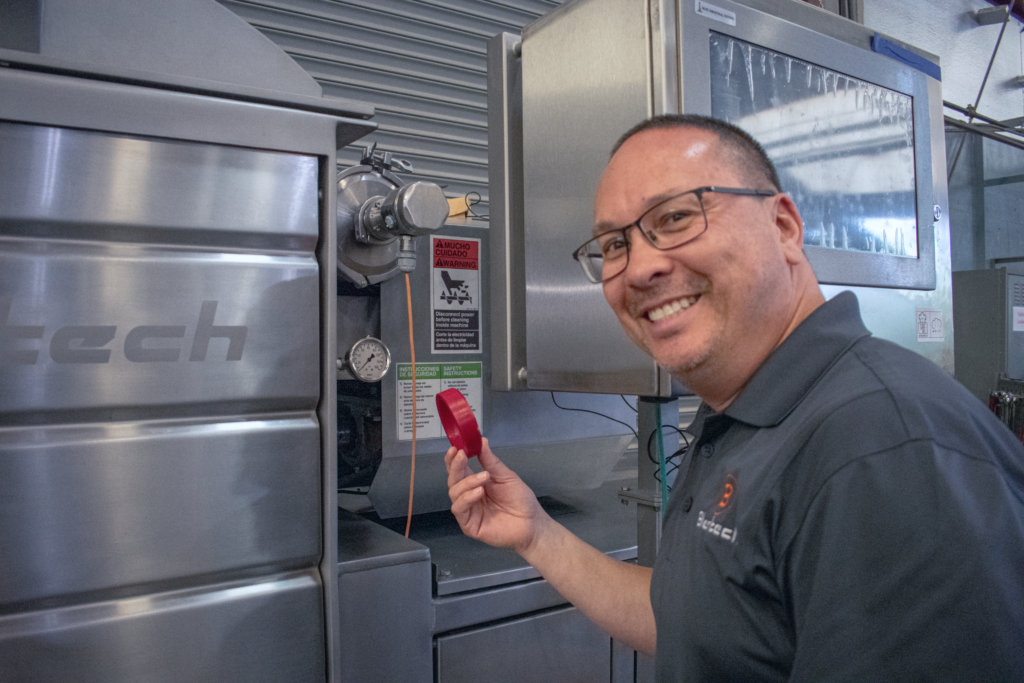
There’s another pattern we see often. The machine goes down, the replacement part is affordable, but it’s not on site. Now you’re waiting on freight instead of running product.
Preventative maintenance isn’t just inspection. It’s parts planning. The fastest repair is the one you’re prepared for. Strategic spare kits, aligned with wear patterns and operating conditions, prevent minor issues from becoming full production stops.
How Preventative Maintenance Improves Efficiency and ROI
This isn’t about adding service hours. It’s about protecting capacity. Planned maintenance supports:
- Stable throughput
- Consistent product quality
- Reliable sanitation
- Controlled labor scheduling
- Extended equipment life
Emergency repairs are expensive. Planned interventions are predictable. One protects uptime. The other reacts to loss.
Take Control of Equipment Downtime with Preventative Maintenance
Every facility will stop a machine at some point. The only question is whether you decide when that happens, or the equipment does. Preventative maintenance isn’t exciting, but neither is explaining a shutdown that could have been avoided.
If it’s been more than 6–12 months since your last structured inspection, it’s time.
Request a Preventative Maintenance Evaluation and turn reactive repairs into a controlled maintenance strategy.