
What a Multipoint Inspection Reveals About Your Processing Equipment
Food processing equipment can be running, without running at its best. A unit may complete every batch while heat-up times gradually increase, scraper contact changes, a gasket begins to wear, or an instrument starts drifting. None of these issues necessarily…
Food processing equipment can be running, without running at its best. A unit may complete every batch while heat-up times gradually increase, scraper contact changes, a gasket begins to wear, or an instrument starts drifting. None of these issues necessarily stops production today. Together, however, they provide a clearer picture of the equipment’s condition.
A multipoint inspection turns that picture into useful information.
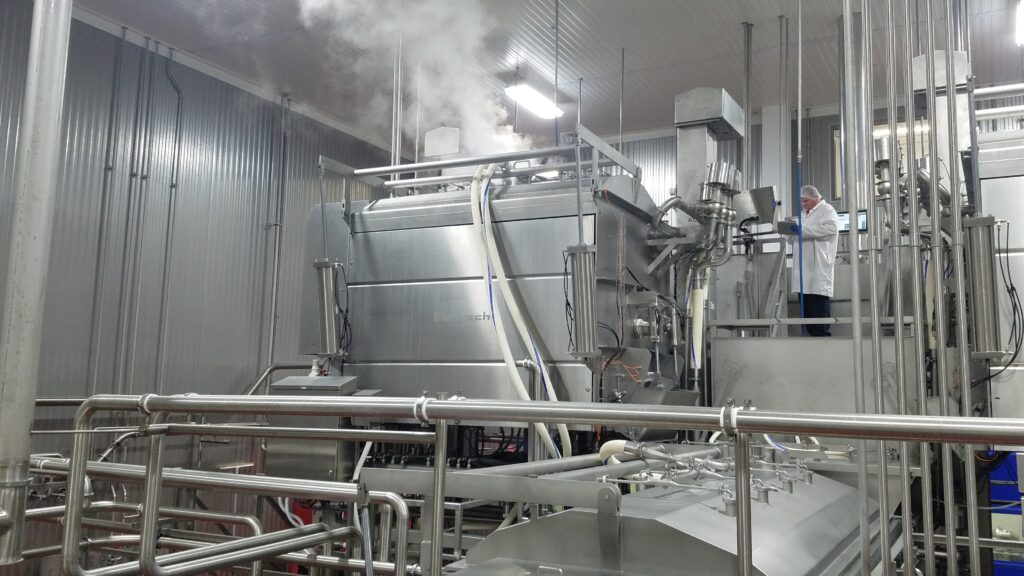
More Than a Maintenance Checklist
A multipoint inspection is a structured review of the systems that allow a processing unit to operate safely, consistently, and efficiently. Each inspection item is placed into one of three categories:
- Operating normally
- Will require further action
- Requires immediate attention
That distinction helps separate normal equipment wear from developing concerns and urgent issues. With a prioritized view of the current condition, an inspection answers three practical questions:
What is working as expected?
What should be planned for?
What needs attention now?
Looking at the Complete Unit
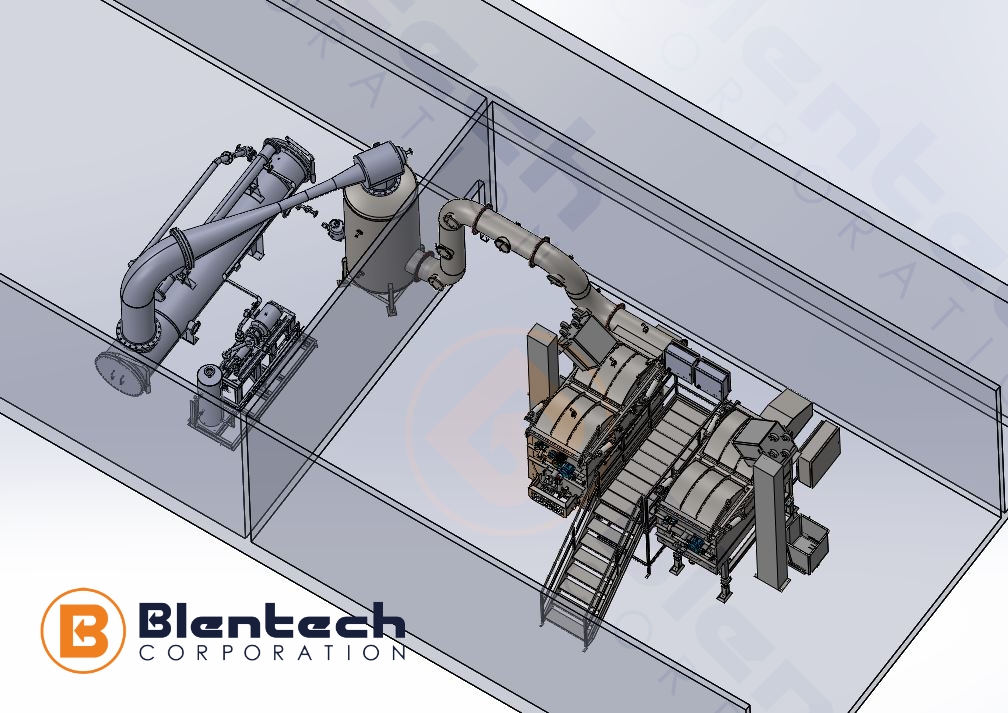
A multipoint inspection reviews the mechanical, utility, control, and instrumentation systems that work together to keep a unit running. That includes gaskets, seals, bearings, agitators, drives, valves, steam components, injectors, safety sensors, the HMI, and process instrumentation.
This broader view helps reduce guesswork because performance issues are not always isolated. Slower heat-up may relate to steam supply, condensate return, a valve, an injector, or instrumentation, while inconsistent mixing may point to scrapers, agitators, bearings, or drive components.
The inspection also creates a condition baseline. Over time, repeated inspections can show recurring concerns, common wear patterns, and whether service intervals should change based on how the equipment is actually operating.
Better Information Leads to Better Decisions
Not every finding requires immediate repair. A component marked for further action may still be serviceable but should be monitored, ordered, or scheduled for replacement during the next planned shutdown. An immediate-attention finding may require the customer to act sooner to protect safe and reliable operation.
That prioritization helps maintenance teams direct time and resources where they matter most.
Know Where Your Equipment Stands
A multipoint inspection is useful before a breakdown. It can help establish a condition baseline, prepare for a high-volume production period, support annual service planning, or investigate performance that has begun to change.
Request a Blentech multipoint inspection to get a clearer view of your equipment’s condition and what should happen next.
Schedule Service or Order Parts: [email protected] (707) 523-5949

Multipoint Processing Equipment Inspections: FAQ
Q: What is a multipoint inspection for processing equipment?
A: A multipoint inspection is a structured, comprehensive review of the mechanical, utility, control, and instrumentation systems within a processing unit. Rather than a simple checklist, it looks at how interconnected parts—like gaskets, valves, and safety sensors—work together to ensure safe and efficient operation.
Q: How are the findings of an inspection prioritized?
A: To help maintenance teams direct their resources effectively, every inspected item is placed into one of three clear categories:
- Operating normally: Running as expected.
- Will require further action: Serviceable for now, but should be monitored or scheduled for replacement during a planned shutdown.
- Requires immediate attention: Urgent issues that need swift action to protect safety and reliability.
Q: Why should I request an inspection if my equipment is currently running fine?
A: Minor issues like a wearing gasket or a drifting instrument won’t always stop production immediately, but they do signal hidden wear. A proactive inspection establishes a condition baseline, helps you prepare for high-volume production periods, and prevents unexpected, costly breakdowns.
Q: What specific systems are reviewed during the inspection?
A: The inspection takes a whole-unit approach, reviewing:
- Mechanical & Utility: Gaskets, seals, bearings, agitators, drives, and steam components.
- Controls & Instrumentation: Injectors, safety sensors, HMIs, and process instrumentation.