
From Inspection Findings to a Practical Equipment Service Plan
A multipoint inspection should do more than document equipment condition. Learn how to prioritize findings, secure replacement parts, build a service history and plan repairs around scheduled shutdowns.
An equipment inspection is only useful if the findings lead to a practical maintenance plan. A list of worn components does not tell a plant which repairs should come first, which parts should be ordered or what can safely wait until the next scheduled shutdown. A structured multipoint inspection turns those observations into prioritized actions.
Prioritize and Plan the Work
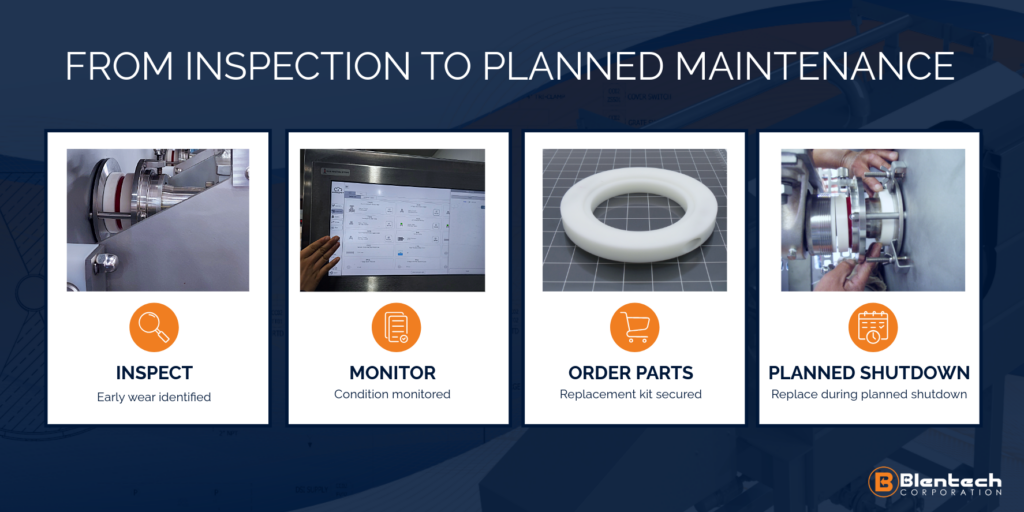
The inspection separates normal operation from items that need future action or immediate attention, so maintenance teams can prioritize findings appropriately. A “further action” item may simply need monitoring, adjustment, parts, or repair during the next planned shutdown. That advance notice allows the plant to coordinate parts, labor, and service, and combine related repairs into one maintenance window instead of responding to an emergency.
Create a Shared Record
A documented inspection gives operations, maintenance, purchasing, production, and management a shared reference for the unit’s condition and recommended actions. By recording the location, model and serial number, inspection date, findings, and next steps, it reduces reliance on verbal summaries and keeps follow-up work tied to the correct equipment.
Build a Service History
One inspection documents the current condition. Multiple inspections help establish patterns. A service history can show whether a component is wearing faster than expected, whether the same problem is recurring, or whether operating conditions have changed. That information can support decisions about:
- Spare parts inventory
- Inspection frequency
- Planned replacement intervals
- Operator or maintenance training
- Equipment modifications
- Long-term repair or replacement planning
The more complete the history, the easier it becomes to move from reactive decisions to condition-based planning.
Decide What Happens Next
The final value of a multipoint inspection is not the completed sheet. It is the plan that follows. A useful service plan should identify:

- What needs immediate attention
- What should be completed during the next shutdown
- Which parts should be ordered
- What should be monitored
- When the unit should be inspected again
That gives the customer a manageable path forward rather than an undifferentiated list of concerns.
Turn Findings into Action
A multipoint inspection provides the information needed to schedule work, secure parts, and protect production. Because the findings are documented in one shared record, maintenance, purchasing, production, and service teams can coordinate follow-up more efficiently and reduce the risk of missed work. Over time, the service history can reveal patterns in component wear and replacement frequency.
Maintenance Insight: Look Beyond the Worn Part
Fast component wear is not always a machine problem. Cleaning chemistry or washdown practices may be accelerating the damage. A documented service history helps reveal the pattern and points the plant toward the underlying cause.
Blentech Service can help customers review inspection findings, identify recommended actions, and build a practical service plan for their equipment.
Turn Inspection Findings into a Service Plan
Don’t let inspection findings sit in a report. Blentech Service can help prioritize repairs, identify required parts, and plan work around your next maintenance window.
Frequently Asked Questions About Multipoint Equipment Inspections
What is a multipoint inspection for industrial food processing equipment?
A multipoint inspection is a structured assessment of a machine’s key components, systems, and operating condition. It documents what is operating normally, what should be monitored or repaired, and what may require immediate attention. The findings can then be converted into a prioritized service plan.
What should happen after a multipoint inspection?
The findings should be reviewed and organized by urgency. The resulting service plan should identify what needs immediate attention, what can wait until the next planned shutdown, which parts should be ordered, what should be monitored, and when the equipment should be inspected again.
How can a multipoint inspection help reduce unplanned downtime?
An inspection can identify wear and developing problems before they cause a failure. This advance notice gives maintenance teams time to secure parts, schedule labor, coordinate service, and complete related repairs during a planned maintenance window. An inspection cannot prevent every failure, but it can reduce avoidable surprises.
What information should be included in an equipment inspection report?
A useful inspection report should identify the equipment location, model, serial number, inspection date, findings, recommended actions, and level of urgency. Photos, part information, monitoring recommendations, and a suggested follow-up date may also be included when appropriate.
How is a multipoint inspection different from preventive maintenance?
A multipoint inspection evaluates the equipment’s current condition and identifies future actions. Preventive maintenance includes scheduled tasks intended to keep the equipment operating properly and reduce wear or failure. Inspection findings can help refine preventive maintenance intervals, parts inventories, and planned repair work.
Why is an equipment service history important?
A service history allows maintenance teams to compare findings across multiple inspections. It can reveal recurring problems, accelerating component wear, changes in operating conditions, and replacement patterns. These trends support better decisions about spare parts, inspection frequency, training, equipment modifications, and long-term repair or replacement planning.
Can an inspection identify the cause of premature component wear?
A single inspection may identify a possible cause, but repeated inspection records are especially useful for recognizing patterns. For example, unusually rapid seal deterioration may point to cleaning chemistry, washdown practices, operating conditions, or another factor outside the component itself. The pattern gives the plant a starting point for investigating the underlying cause.
How often should industrial food processing equipment be inspected?
Inspection frequency depends on the equipment, application, operating hours, duty cycle, operating environment, manufacturer recommendations, and previous service findings. Equipment with recurring issues or faster-than-expected wear may need to be inspected more frequently.
How can Blentech help after an inspection?
Blentech Service can help customers review inspection findings, prioritize recommended actions, identify required parts, and develop a practical plan for upcoming maintenance windows. The goal is to turn the inspection record into manageable next steps that support equipment reliability and production planning.