
Small Components, Big Production Consequences
A gasket, scraper, seal, or bearing may be a small part of a food processing system, but that does not make it unimportant. These components often operate under heat, pressure, agitation, repeated cleaning, and continuous production demands. As they wear,…
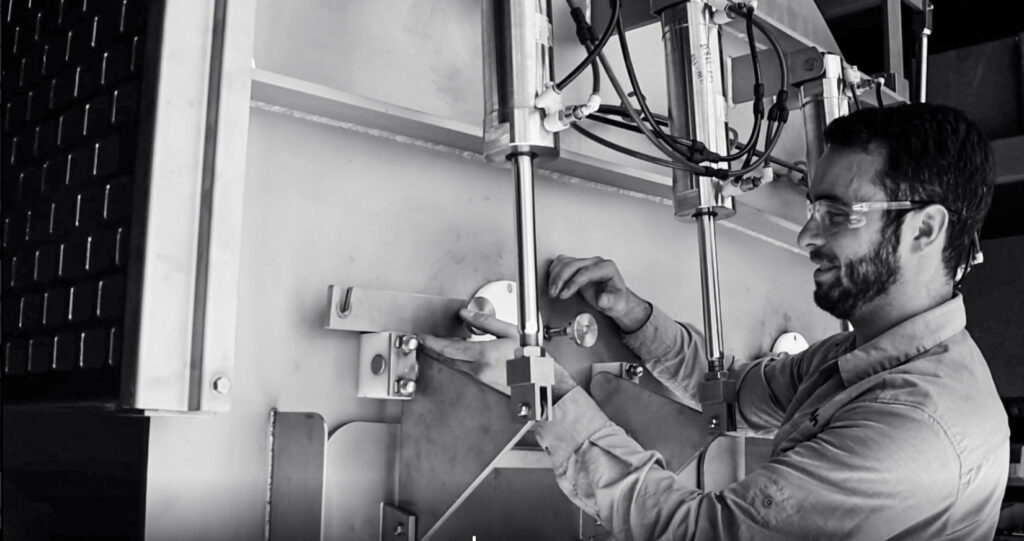
A gasket, scraper, seal, or bearing may be a small part of a food processing system, but that does not make it unimportant.
These components often operate under heat, pressure, agitation, repeated cleaning, and continuous production demands. As they wear, the effects can extend well beyond the cost of the replacement part.
Small components can influence sanitation, heat transfer, mixing, containment, discharge, and equipment availability.
Gaskets and Seals Protect More Than an Opening
Cover gaskets, door gaskets, and seals help contain product, steam, pressure, and cleaning fluids where they belong.
As these components age, they may harden, crack, compress, or lose their ability to seal consistently. The first sign may be a minor leak or residue near a sealing surface. Left unaddressed, the same wear can create cleaning challenges, product loss, or operating problems.
A multipoint inspection reviews these sealing points and documents whether they are operating normally, need future attention, or require immediate action.
Scraper Condition Affects the Process
Scrapers maintain contact with product-contact surfaces during mixing, cooking, or cooling.
When scraper edges wear or contact changes, product may no longer move across the surface as intended. That can affect heat transfer, mixing uniformity, residue buildup, and discharge.
The equipment may still run, but the process can gradually become less efficient or less consistent.
Because scraper wear occurs over time, routine inspection is important. Waiting until the problem becomes visible in the finished product may mean the component has already been affecting production for some time.
Bearings and Drives Keep the System Moving
Bearings, agitators, and drive components carry the mechanical load of the process.
Their condition affects how smoothly the agitator moves, how consistently the unit handles product, and how much stress is placed on the surrounding assembly. Wear may first appear as unusual noise, vibration, movement, heat, or changes in performance.
An agitator that still turns is not necessarily an agitator system in good condition.
A structured inspection helps identify visible wear or operating concerns before they develop into a larger mechanical repair. The multipoint inspection also includes cover and door cylinders, valves, and other moving or actuated components that support normal operation.
Small Parts Can Create Large Delays
The cost of a replacement wear part may be modest. The cost of waiting for it during an unplanned shutdown is not.
When customers understand which components are approaching the end of their useful life, they can order parts, schedule labor, and complete the work during planned downtime.
That is the real advantage of inspecting wear components early. The customer is not only identifying a part that may need replacement. They are deciding when and how that replacement happens.
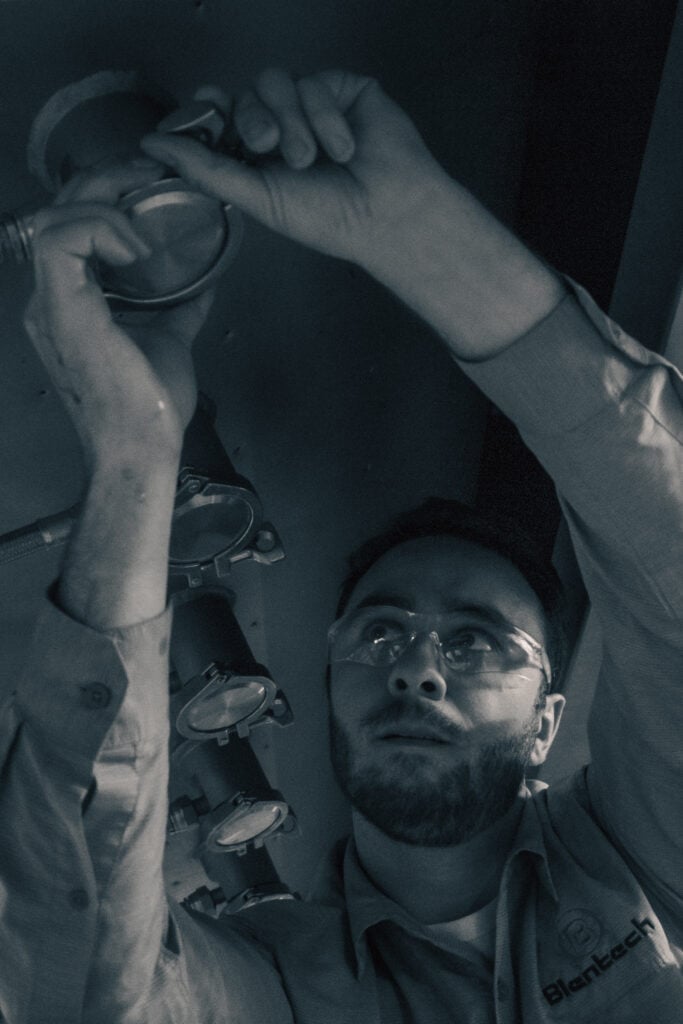
Inspect the Parts That Protect the Process
Gaskets, seals, scrapers, bearings, and drive components may not be the most visible parts of a processing system, but they have an outsized effect on how the equipment performs.
A multipoint inspection helps customers see where normal wear is occurring and address it before a small component creates a larger production problem.
Schedule a Blentech inspection to evaluate the wear points that help keep your equipment clean, consistent, and productive.
Schedule Service or Order Parts: [email protected] (707) 523-5949
Food Processing Wear Parts: FAQ
Q: Why do small components like gaskets and scrapers matter so much in food processing?
A: While small, components like gaskets, seals, and scrapers directly impact the entire system’s environment. They control sanitation, heat transfer, mixing uniformity, and pressure containment. When they degrade, it can lead to product loss, uneven cooking or cooling, and severe cleaning challenges.
Q: What are the warning signs that bearings or drives are starting to fail?
A: Just because an agitator is still turning does not mean the system is healthy. Early signs of bearing and drive wear include:
- Unusual noises or increased vibration
- Excess heat radiating from the assembly
- Subtle changes or hesitations in mixing performance
Q: How does catching wear early save money if the part is cheap to replace?
A: The cost of a gasket or scraper is minimal, but the cost of an unplanned shutdown while waiting for that part to ship is incredibly expensive. Inspecting early allows you to order the parts in advance and schedule the labor during a normal, planned maintenance window rather than during peak production.
Q: How does a Blentech multipoint inspection address these small parts?
A: A structured multipoint inspection systematically reviews all hidden and high-wear points—including cover cylinders, valves, seals, and scrapers. It documents their exact condition so you can prioritize what is running normally, what needs to be monitored, and what requires immediate replacement.