
The Base Matters: Mixing Ice Cream, Frozen Yogurt, and Better-for-You Frozen Desserts
July is National Ice Cream Month, which gives us the perfect excuse to talk about what happens before the scoop.
Ice cream texture is built across the full process: mix preparation, pasteurization, homogenization, aging, dynamic freezing, hardening, and frozen storage. Aging and freezing help create the final structure, while hardening and storage help preserve it.
But those steps depend on a well-prepared mix.
For many frozen dessert bases, upstream blending prepares a homogeneous, hydrated, and appropriately deaerated mix for downstream heat treatment, homogenization, aging, and freezing. It does not create the final ice cream microstructure by itself, but poor powder incorporation early in the process can lead to undissolved particles, lumping, foaming, sediment, scorched material, wasted ingredients, rework, and batch-to-batch variability that later steps may not fully reverse.
Recent frozen dessert development shows why this matters. Dairy processors are adding more protein, functionality, and better-for-you positioning to familiar frozen formats, from high-protein ice cream to probiotic kefir soft serve.
Why Upstream Base Mix Preparation Matters in Frozen Dessert Production
Base mix preparation is not where final ice cream texture is created. The final structure develops through the full process, especially during homogenization, aging, dynamic freezing, hardening, and temperature-controlled storage.
Its job is foundational: prepare a uniform, pumpable, process-ready mix for the rest of the line.
Before the mix reaches downstream pasteurization, homogenization, aging, or freezing, controlled batch mixing can help support:
- Dry ingredient dispersion: Even incorporation of milk solids, cocoa, sugar, stabilizers, gums, protein powders, and other dry ingredients.
- Hydration and dissolution: Sufficient wetting and hydration of powders, stabilizers, and functional ingredients before the mix moves forward.
- Consistent solids distribution: Better batch uniformity before downstream thermal and homogenization steps.
- Controlled heating: Managed thermal input for formulations that need heating before transfer, pasteurization, or further processing.
- Reduced sticking and scorching risk: Scraping and agitation to keep viscous or dairy-based products moving across heated surfaces.
- Repeatable batching: Defined ingredient sequencing, mixing time, temperature targets, agitation steps, hold points, and transfer points.
- Process documentation: A clearer production record when a batch needs to be reviewed, repeated, or adjusted.
In short, this upstream stage helps make sure the rest of the line receives a mix that is ready for the next process.
Supporting More Flexible Frozen Dessert Lines
Frozen dessert lines are no longer limited to one formula. The same facility may need to produce a classic chocolate gelato, a fruit-forward yogurt base, and a protein-added frozen dessert.
That flexibility creates practical processing questions:
- How will powders be added without clumping?
- How will cocoa, stabilizers, gums, or protein ingredients be dispersed and hydrated?
- How will viscous mixes be heated without sticking or scorching?
- How will the system manage foam, air incorporation, or deaeration where needed?
- How will operators repeat the same sequence from shift to shift?
- How will the process be documented when a batch needs review?
Blentech kettles and mixers are designed for controlled agitation, thermal transfer, scraping, and recipe-driven process control. Depending on the formulation and facility layout, systems such as the BlenTherm Horizontal Kettle can be configured to help processors prepare ice cream, gelato, frozen yogurt, and frozen dessert base mixes before downstream processing.
Suitability for any given frozen-dessert base depends on the formulation, viscosity, ingredient behavior, sanitation requirements, production volume, and downstream line design. That is why process testing and equipment configuration matter.
Automation Bonus: Turning the Base Mix into a Repeatable Process
Relying on operator memory can work during R&D trials or with highly experienced staff, but production introduces more variables: new operators, shift changes, training gaps, and competing priorities. For frozen dessert bases, those small differences can affect ingredient sequencing, heating, hold times, agitation, and final texture.
AutoChef helps turn base preparation into a repeatable digital workflow with defined process parameters, operator prompts, quality checks, equipment actions, alarms, timing, and approvals. That helps each batch follow the same controlled sequence, whether the product is a classic gelato, protein-added frozen yogurt, or a more complex functional base.
Automation does not replace the food scientist, the operator, or the validation process. It helps capture the approved process and repeat it more consistently in production.
Ready to Scale Your Commercial Frozen Dessert Line?
Ready to build smoother, more repeatable frozen dessert bases? Learn how the BlenTherm Horizontal Kettle and AutoChef recipe control can help processors manage mixing, heating, scraping, and batch consistency across classic ice cream, gelato, frozen yogurt, and better-for-you formulations.
Explore BlenTherm, learn more about AutoChef, or contact Blentech to discuss your process.
Frequently Asked Questions: Industrial Ice Cream Processing
What role does upstream blending play in industrial ice cream processing?
Upstream blending prepares the mix for the rest of the line. Dry ingredients such as milk solids, cocoa, sugar, stabilizers, gums, and protein powders need to be dispersed and hydrated before the mix moves into downstream processing. Good mix preparation helps reduce lumping, undissolved particles, sediment, foaming, scorching risk, solids variation, and batch-to-batch inconsistency.
Is pre-pasteurization mixing the most important step for final ice cream texture?
No. Final texture depends on the full process, including formulation, pasteurization, homogenization, aging, dynamic freezing, hardening, and frozen storage. Aging and freezing are especially important for texture, air incorporation, fat destabilization, and ice crystal control. Hardening and storage then help preserve the structure created during freezing.
Pre-pasteurization mixing is better described as a foundational preparation step. If the mix is poorly prepared, downstream equipment has less to work with.
Does a batch mixer create the final ice cream emulsion?
Not by itself. In many industrial dairy ice cream processes, homogenization is the key step for reducing fat globule size and improving emulsion stability. A batch mixer helps prepare a uniform mix before that step by dispersing ingredients, applying heat where needed, supporting hydration, and keeping the batch moving.
How can Blentech equipment support frozen dessert base production?
Blentech kettles and mixers can support upstream base preparation through controlled agitation, thermal transfer, scraping, and configurable batch processing. For dairy-based, protein-added, or viscous formulations, this can help processors manage powder incorporation, hydration, heating, sticking or scorching risk, and batch-to-batch repeatability before the mix moves to downstream equipment.
The right configuration depends on the product, viscosity, ingredient sequence, sanitation requirements, production volume, and downstream line design.
Why is automation useful for frozen dessert base preparation?
Automation helps standardize the production sequence. AutoChef can guide operators through ingredient additions, mixing steps, heating targets, hold points, quality checks, alarms, and review steps. This helps reduce variation from shift to shift and creates digital batch records that support troubleshooting, training, and process review.
Can one processing system handle both classic dairy and better-for-you frozen dessert bases?
Often, yes, if the system is configured for the product range. A processor may need different agitation, heating, scraping, hydration, shear, sanitation, or recipe-control strategies depending on viscosity, protein content, solids level, stabilizer system, ingredient sequence, allergen controls, and production volume.
That flexibility should be evaluated through formulation review, process testing, and line design rather than assumed from the equipment category alone.
See your product run before you buy.
Bring your recipe to our Innovation Center in Santa Rosa, or join a trial remotely, and test it on Blentech equipment with our process engineers.
Book a process trial →Keep reading
Related posts
Better Whole Beans Start with Automation-Controlled Agitation
Automated batch cooking helps processors improve consistency, protect bean shape, texture and color, reduce operator dependence, and recover water and energy. It also provides a flexible platform for whole, pureed or refried beans.
Mochi Dough, Frozen Desserts, and the Process Behind the Chew
July is National Ice Cream Month, and while ice cream itself gets most of the attention, many of the most interesting frozen desserts depend on what surrounds, supports, or complements the frozen base. Mochi ice cream is a perfect example. The frozen center matters, but the experience depends on the glutinous rice dough wrapped around…
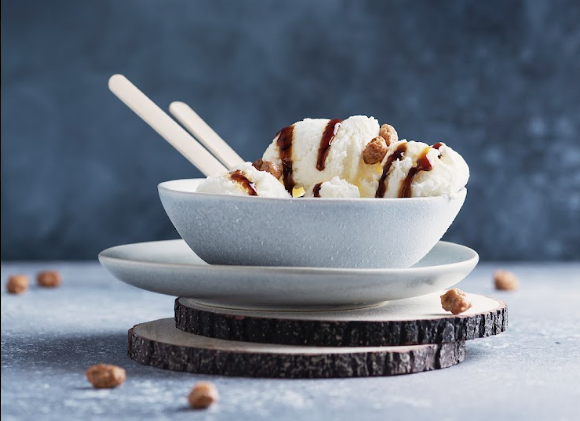
Swirls, Ribbons, and Inclusions: Processing Frozen Dessert Components Beyond the Base
July is National Ice Cream Month, and while the ice cream base gets most of the attention, many frozen desserts depend on the components that surround, layer, or finish the product. Fruit swirls, fudge ribbons, caramel variegates, peanut butter ripples, marshmallow-style bases, nut pastes, and other high-solids components all bring something different to the eating…
See your product run before you buy.
Bring your recipe to our Innovation Center in Santa Rosa, or join a trial remotely, and test it on Blentech equipment with our process engineers.