
Swirls, Ribbons, and Inclusions: Processing Frozen Dessert Components Beyond the Base
July is National Ice Cream Month, and while the ice cream base gets most of the attention, many frozen desserts depend on the components that surround, layer, or finish the product.
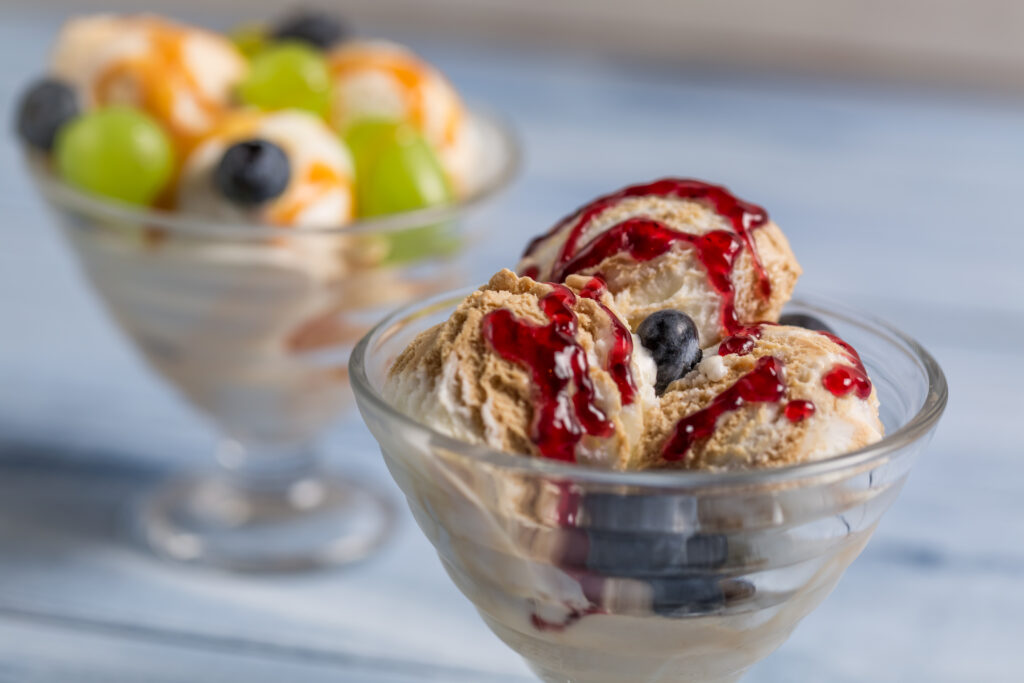
Fruit swirls, fudge ribbons, caramel variegates, peanut butter ripples, marshmallow-style bases, nut pastes, and other high-solids components all bring something different to the eating experience. They also bring different processing demands before they ever reach the freezer, depositor, or inclusion feeder.
Frozen Dessert Components Are Not All Processed the Same Way
Some components are finished inclusions. Cookie pieces, brownie chunks, chocolate chips, brittle, and crisp nuts are typically added later into the cold or semi-frozen ice cream stream so they keep their shape, texture, and identity.
Other components need upstream processing first. Fruit preparations, fudge ribbons, caramel sauces, peanut butter ripples, syrups, variegates, and nut-based pastes often need controlled heating, mixing, scraping, cooling, and transfer before they can be pumped or deposited. These products may look simple in the finished dessert, but they can be difficult to make consistently at scale.
As solids increase and viscosity changes, the component can stick, scorch, thicken, foam, separate, or lose its desired texture. A fruit swirl that overheats can change flavor. A fudge ribbon that gets too thick may not pump or deposit cleanly. A nut paste that is not mixed evenly can create variation from batch to batch.
Where Blentech Fits
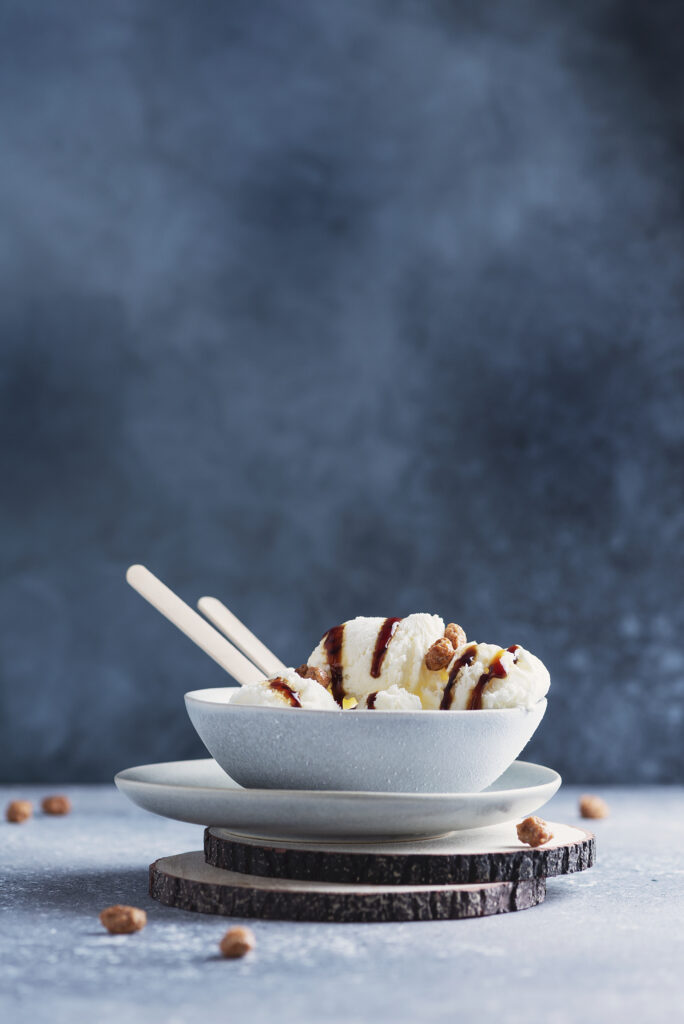
Blentech kettles and mixers are built for components that are thick, sticky, heat-sensitive, or difficult to move consistently.
For frozen dessert manufacturers, that may include fruit preparations, fudge and caramel ribbons, peanut butter ripples, marshmallow-style bases, praline-style pastes, nut pastes, and other high-solids components that need controlled heating, scraper-assisted mixing, and clean discharge.
Not every syrup or topping needs the same level of processing. Thin, simple syrups may be better suited to a lower-complexity system. Kettles and mixers become more valuable when the product requires better movement, more controlled heat transfer, scraping, repeatable batching, or support through cooling and transfer.
Automation Helps Keep the Process on Track
Frozen dessert components can be sensitive to small changes in time, temperature, ingredient order, mixing, hold time, and discharge conditions.
AutoChef helps operators follow the approved recipe sequence, including when to add ingredients, heat, mix, hold, cool, and transfer. ARTIS gives teams batch visibility so they can compare runs, review process data, and troubleshoot more effectively when a component does not perform the same way.
That matters when consistency depends on process control. If one batch of caramel runs darker, one fruit preparation gets too thick, or one ribbon does not flow correctly, better batch records give the team a clearer place to start.
Build the Component Around the Product
Frozen dessert innovation works best when each component is processed for the texture, flow, flavor, and handling it needs.
Blentech helps processors test and configure systems for the product they actually need to make, whether that means controlled heating, scraper-assisted mixing, recipe control, batch records, or support before scale-up.
Ready to improve your frozen dessert component process? Explore Blentech horizontal kettles, learn more about AutoChef and ARTIS automation, or contact Blentech to discuss your product, process, and scale up requirements.
FAQ: Frozen Dessert Component Processing
What are frozen dessert components?
Frozen dessert components are the pieces, sauces, swirls, ribbons, ripples, variegates, toppings, and inclusions that add flavor, texture, and visual appeal to ice cream and other frozen treats. Some are added cold as finished inclusions, while others need upstream processing before they can be pumped, deposited, layered, or blended into the final product.
What is the difference between a variegate and an inclusion?
A variegate is usually a sauce, swirl, ribbon, ripple, or syrup that is added to create flavor and visual contrast in the frozen dessert. An inclusion is typically a solid piece, such as a cookie chunk, brownie piece, nut, chip, or brittle. Variegates often require cooking, mixing, scraping, cooling, and transfer, while finished inclusions are usually added later to protect their shape and texture.
Why are frozen dessert swirls and ribbons difficult to process?
Swirls, ribbons, ripples, and variegates can be difficult to process because they are often sticky, high-solids, heat-sensitive, or viscosity-sensitive. If heating, mixing, scraping, hold time, or cooling are not controlled, the component can scorch, thicken, foam, separate, lose flavor quality, or become difficult to pump and deposit.
What equipment is used to process fruit swirls, fudge ribbons, and caramel variegates?
Fruit swirls, fudge ribbons, caramel variegates, peanut butter ripples, marshmallow-style bases, and similar components are often processed in industrial kettles or mixers with controlled heating, agitation, scraping, and discharge. The right equipment depends on viscosity, solids level, heat sensitivity, batch size, cooling needs, and how the component will be transferred or deposited.
When does a frozen dessert component need a kettle or mixer?
A frozen dessert component may need a kettle or mixer when it requires controlled heating, scraper-assisted mixing, consistent ingredient addition, viscosity control, cooling, or clean discharge. Thin, simple syrups may not need the same level of processing, but thicker or more sensitive components often benefit from stronger agitation and better process control.
How does automation help with frozen dessert component processing?
Automation helps operators follow the approved process sequence for ingredient addition, heating, mixing, holding, cooling, and transfer. For sticky or texture-sensitive components, AutoChef can support recipe control, operator prompts, temperature verification, batch step confirmation, and more repeatable execution from batch to batch.
How can batch data improve frozen dessert component consistency?
Batch data gives production and quality teams a clearer view of what happened during processing. With ARTIS, teams can compare batches, review time and temperature data, identify process variation, and troubleshoot issues such as color changes, viscosity shifts, inconsistent flow, or batch-to-batch texture differences.
Can Blentech help with frozen dessert component scale-up?
Yes. Blentech can help processors evaluate the product, process goals, viscosity, heat sensitivity, mixing needs, discharge requirements, and automation requirements before scale-up. This helps match the system to the component instead of forcing every sauce, swirl, ribbon, or inclusion base through the same process.
See your product run before you buy.
Bring your recipe to our Innovation Center in Santa Rosa, or join a trial remotely, and test it on Blentech equipment with our process engineers.
Book a process trial →Keep reading
Related posts
Better Whole Beans Start with Automation-Controlled Agitation
Automated batch cooking helps processors improve consistency, protect bean shape, texture and color, reduce operator dependence, and recover water and energy. It also provides a flexible platform for whole, pureed or refried beans.
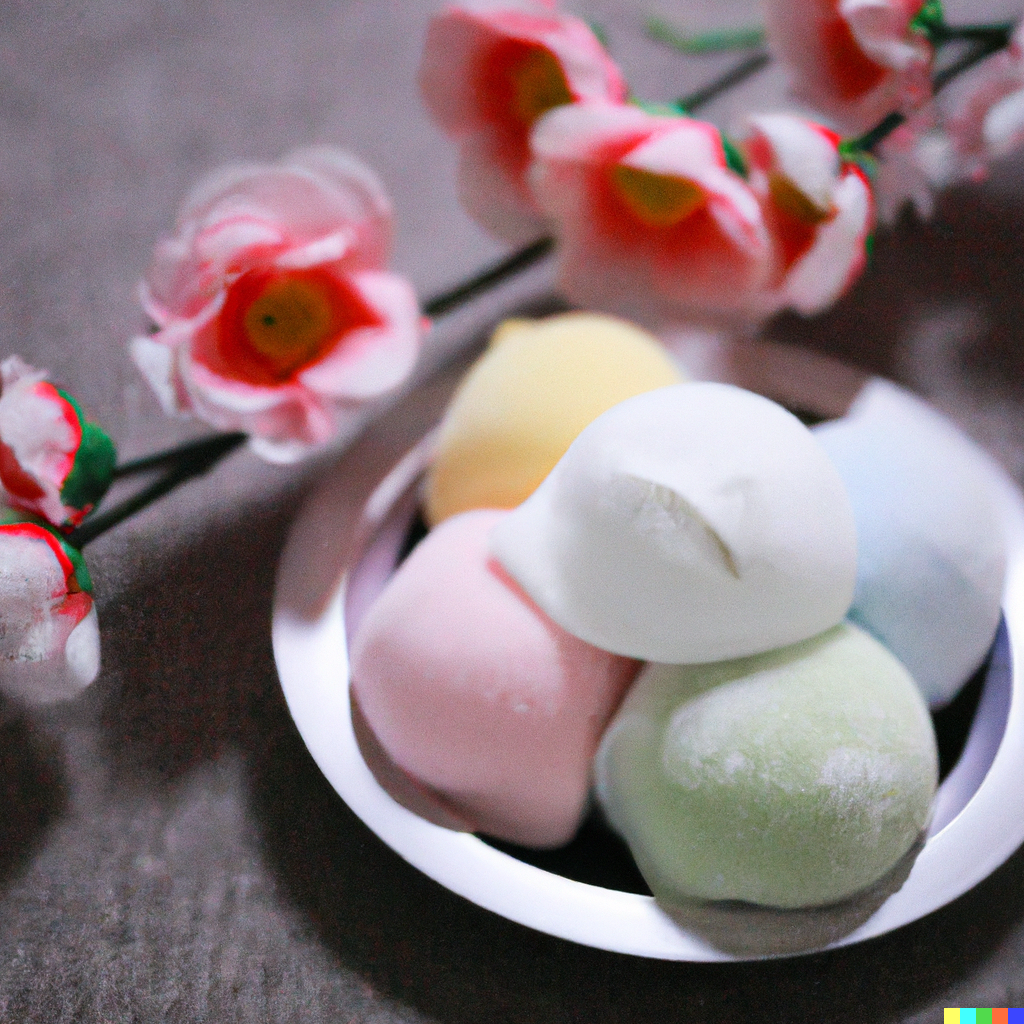
Mochi Dough, Frozen Desserts, and the Process Behind the Chew
July is National Ice Cream Month, and while ice cream itself gets most of the attention, many of the most interesting frozen desserts depend on what surrounds, supports, or complements the frozen base. Mochi ice cream is a perfect example. The frozen center matters, but the experience depends on the glutinous rice dough wrapped around…
The Base Matters: Mixing Ice Cream, Frozen Yogurt, and Better-for-You Frozen Desserts
A smooth frozen dessert starts before the freezer. Learn how controlled base mix preparation helps processors disperse powders, manage heating, reduce variation, and prepare ice cream, gelato, and frozen yogurt mixes for downstream processing.
See your product run before you buy.
Bring your recipe to our Innovation Center in Santa Rosa, or join a trial remotely, and test it on Blentech equipment with our process engineers.