
Mochi Dough, Frozen Desserts, and the Process Behind the Chew
July is National Ice Cream Month, and while ice cream itself gets most of the attention, many of the most interesting frozen desserts depend on what surrounds, supports, or complements the frozen base. Mochi ice cream is a perfect example….
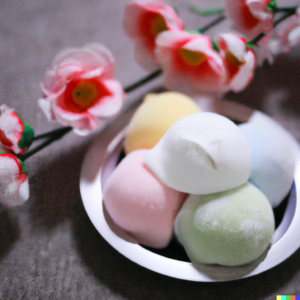
July is National Ice Cream Month, and while ice cream itself gets most of the attention, many of the most interesting frozen desserts depend on what surrounds, supports, or complements the frozen base.
Mochi ice cream is a perfect example. The frozen center matters, but the experience depends on the glutinous rice dough wrapped around it. That dough has to be smooth, elastic, cohesive, and consistent. It needs enough stretch to wrap cleanly around the ice cream, enough strength to hold its shape, and enough softness to deliver the chewy bite consumers expect.
Mochi Dough Is a Processing Challenge
Mochi-style dough may start with a simple ingredient set (glutinous rice flour, water, sugar, and formulation-specific additions) but the process is anything but simple at production scale.
As the starch hydrates and gelatinizes, the dough becomes dense, sticky, elastic, and difficult to move. It can clump during ingredient addition, build up on equipment surfaces, trap air, and change quickly as temperature shifts. Finished texture depends on the right balance of heat, hydration, mechanical action, timing, and discharge conditions.
Why the Blentech Dual Mixer Fits Mochi Dough
The Blentech Dual Mixer is designed for high-viscosity products that need controlled thermal and mechanical processing in the same system. For mochi-style dough, dual ribbon-style agitation keeps dense product moving through the vessel while direct steam injection delivers heat into the batch. This combination supports starch hydration and gelatinization while applying the mechanical work needed to develop a smooth, cohesive, elastic dough.
Blentech Dual Mixers are used in production-scale mochi dough applications where dense rice dough requires controlled heating, strong agitation, and repeatable batch execution. They are configured to supply the right balance of heat, hydration, and mechanical action to support consistent handling, forming, and finished texture.
Temperature control also affects what happens after cooking. In sticky dough applications, the dough has to leave the mixer at the right condition for downstream handling, forming, and filling. If it is too hot, too cool, too dense, or too inconsistent, it can create bottlenecks before the product ever reaches the wrapper or freezer.
Automation Helps Protect the Process Window
Mochi dough gives operators very little room for missed steps. Ingredient weights, water addition, steam application, mixing speed, cook temperature, hold time, and discharge timing can all affect finished texture.
For mochi-style dough, AutoChef can support recipe-driven control, operator prompts, temperature verification, ingredient weight checks, water metering, load cell integration, direct steam injection control, and batch step confirmation. Instead of relying on manual timing or tribal knowledge, the system guides operators through the defined sequence and helps keep each batch aligned with the process.
Built for the Challenging Steps Around Frozen Desserts
For manufacturers developing premium frozen desserts, novelty formats, and multi-texture products, the hardest part is often making the product consistently at scale. Blentech Dual Mixers are built for that kind of work.
Ready to explore mochi dough or other high-viscosity frozen dessert components? Download the Blentech Dual Mixer brochure or contact our team to discuss your product, process goals, and scale-up requirements.
Mochi Dough For Ice Cream FAQ
What makes mochi dough difficult to process at industrial scale?
Mochi dough becomes dense, sticky, elastic, and difficult to move as the glutinous rice starch hydrates and gelatinizes. At production scale, processors must control heat, hydration, mechanical action, timing, temperature, and discharge conditions to maintain consistent texture and handling.
What type of mixer is used for mochi dough processing?
Mochi dough is commonly processed in high-viscosity mixing equipment designed to handle sticky, dense products. A dual agitator mixer is well suited for mochi-style dough because it helps keep the product moving while applying the mechanical work needed to develop a smooth, cohesive, elastic texture.
Why is direct steam injection useful for mochi dough?
Direct steam injection delivers heat directly into the batch, which can help dense starch-based doughs heat efficiently while the agitators keep the product moving. In mochi-style dough, controlled heat and moisture support starch hydration and gelatinization.
Why does mochi dough need both heat and mechanical action?
Heat and hydration help gelatinize the glutinous rice starch, while mechanical action helps develop the elastic, cohesive structure associated with mochi dough. The process requires balance; too little or too much thermal or mechanical input can affect handling, forming, and finished texture.
How does automation improve mochi dough processing?
Automation helps guide operators through the defined batch sequence and reduce reliance on manual timing or tribal knowledge. For mochi-style dough, AutoChef can support recipe-driven control, operator prompts, temperature verification, ingredient weight checks, water metering, load cell integration, direct steam injection control, and batch step confirmation.
Can Blentech Dual Mixers be used for other frozen dessert components?
Yes. The same process fundamentals used for mochi dough can apply to other high-viscosity, temperature-sensitive, or texture-sensitive frozen dessert components, including dough-based wrappers, starch gels, chewy inclusions, fillings, and cooked fruit or confectionery-style preparations.
What should manufacturers consider when scaling mochi dough production?
Manufacturers should consider ingredient addition, hydration, starch gelatinization, mixing intensity, steam control, temperature verification, discharge conditions, and downstream handling. The goal is consistent texture and repeatable execution from batch to batch.